

Boost Growth by Busting Threats: Turn Cyber Defense into a Competitive Advantage

Treating cybersecurity like any other line item in your budget – like it has nothing to do with your business objectives – may be tempting. But you’ll be short-changing your goals if you do. Forget about cybersecurity as a cost center. Instead, think about it as a value driver. How might this mindset shift change your business development plans? What lucrative but risky markets would you be better prepared to enter? Doors to innovation you’d be ready to fling open? All-new customers you’d be optimistic about winning? With the right cyber protection in place, almost anything becomes possible.
C-Suite Cybersecurity Report 2024
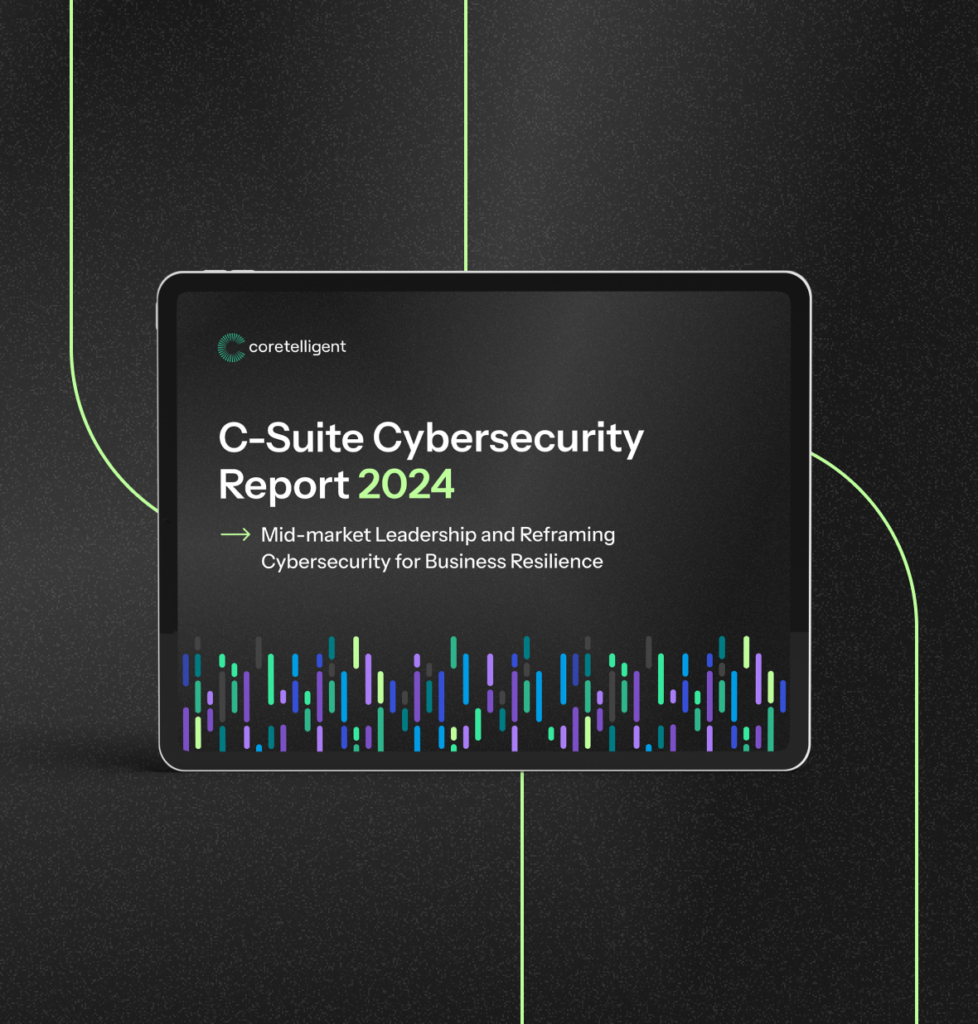
Cybersecurity and Shifting Priorities: The View from the C-Suite Pressure to innovate in a time of increasingly elevated threats has business leaders recalculating the value of cybersecurity. See the full report. Read Online Now Our 2024 C-Suite Cybersecurity Survey gathered insights from hundreds of mid-market executives. How many people are on the average cybersecurity team? […]
Third-Party Risk Management Guide

Shift your approach to third-party risk from a compliance-first focus to a security-first focus with five essential practices – and strengthen your stance against vendor vulnerabilities today.
Essential Cybersecurity Practices for Alternative Investment Firms: How an MSP Can Help

Rising cyber threats and AI-driven attacks increasingly jeopardize financial data, requiring firms to implement multi-layered frameworks and expert partnerships to ensure regulatory compliance, maintain operational continuity, and protect their professional reputations.
Understanding the Updated NIST Cybersecurity Framework (CSF): A Guide for Businesses
The NIST Cybersecurity Framework (CSF) offers a comprehensive and flexible approach to managing cybersecurity risks. This guide outlines the history and updates of the NIST CSF, focusing on how version 2.0, with its enhanced core functions, can benefit your organization by providing strategic insights into cybersecurity management.
Business Continuity Checklist

Download our at-a-glance plan for what you should have in place to maintain business continuity when unexpected events occur.
Incident Response and Business Continuity Checklist

Even with the best security measures and training, businesses still fall victim to cyberattacks and outages. Use our incident response checklist to help you prepare.
IT Vendor Due Diligence Checklist

Before investing in an IT solution, use this due diligence checklist to verify the vendor can support your needs.
Cyber Security Checklist

Use this list as a jumping off point to see where your defense needs bolstering against evolving cyber threats. Take steps to protect your business.
Best Practices for Good Enterprise Data Governance

There are two main advantages for creating a data governance program — increasing revenue and reducing risk. Which are you getting from yours? Download our data governance best practices guide.
Schedule a Free Business Security Risk Assessment

Schedule a free business security risk assessment with Coretelligent to see what actions you need to take to prevent or reduce the risk of cyber threats.
Why Your MSP Should Have SOC 2 Compliance: Securing Your Digital Trust
Rising cyber threats and client scrutiny demand verifiable security. Adopting the SOC 2 framework validates internal controls across five key principles, providing a competitive edge, increasing client retention, and ensuring long-term business resilience.