

Your MSP Renewal Is Not Just a Vendor Decision

Most firms treat the renewal date on a managed services contract as an administrative checkbox. The auto-renew clause triggers, the invoice arrives, and another year passes. Nobody asks whether the relationship still fits. Yet an MSP renewal is one of the most consequential decisions a regulated firm makes. It locks in the controls, response capabilities, […]
AI Governance Fails When It Stays Trapped in Policy

A polished AI policy document is easy to produce. It is also easy to ignore. The document states principles, names a committee, and promises responsible use. Then the organization keeps adopting AI tools faster than anyone can track. The policy sits untouched while real decisions happen elsewhere. This is the central failure of AI governance. […]
A 72-Hour Notification Rule Changes How the Company Needs to Operate

A notification deadline sounds like a paperwork requirement. It is not. The 72-hour notification rule reshapes how a company detects, escalates, and responds to incidents. It sits inside amended Regulation S-P, the SEC privacy rule for covered institutions. A clock that short leaves no room for slow, ad hoc processes. Yet most firms still rely […]
Cybersecurity for Venture Capital Firms: Protecting Deal Flow, Capital Movement, and Portfolio Collaboration

Venture capital firms usually feel the impact of cybersecurity first through disruption to fundraising, transactions, and day-to-day execution. A partner is traveling and can’t get support. A capital call depends on having a clean wire process. A provider misses a deadline during a fund close. Sensitive information is moving through ad hoc channels that were […]
Why a SOC 2-Compliant MSP or MSSP Is Critical for Your Financial Services Firm
As a financial services professional, your business depends on secure systems, reliable access, protected data, and strong accountability. Because your managed services provider (MSP) or managed security services provider (MSSP) often sits close to these systems — supporting infrastructure, users, devices, access, and security operations — the wrong partner can introduce risk well beyond everyday […]
FINRA Rule 4370 and Operational Resilience: What’s Required of Financial Services Firms
Operational resilience starts with a broader framework Business continuity planning is essential for financial services firms. That’s one reason FINRA Rule 4370, which originally appeared in 2004 as NASD Rules 3510 and 3520, is still so relevant today for operational resilience. The rule requires member firms to maintain a written business continuity plan tailored to […]
Microsoft 365 Copilot in Financial Services: How Regulated Firms Adopt it Safely

Financial services firms face a familiar tension: improving productivity without compromising confidentiality, governance, or oversight — or the ability to demonstrate and audit how work is handled. Many firms use Microsoft 365 Copilot to reduce their manual work across meetings, documentation, and internal coordination. By November 2024, nearly 70% of Fortune 500 companies were already […]
AI Governance for Financial Services: The Third Layer Most Firms Miss
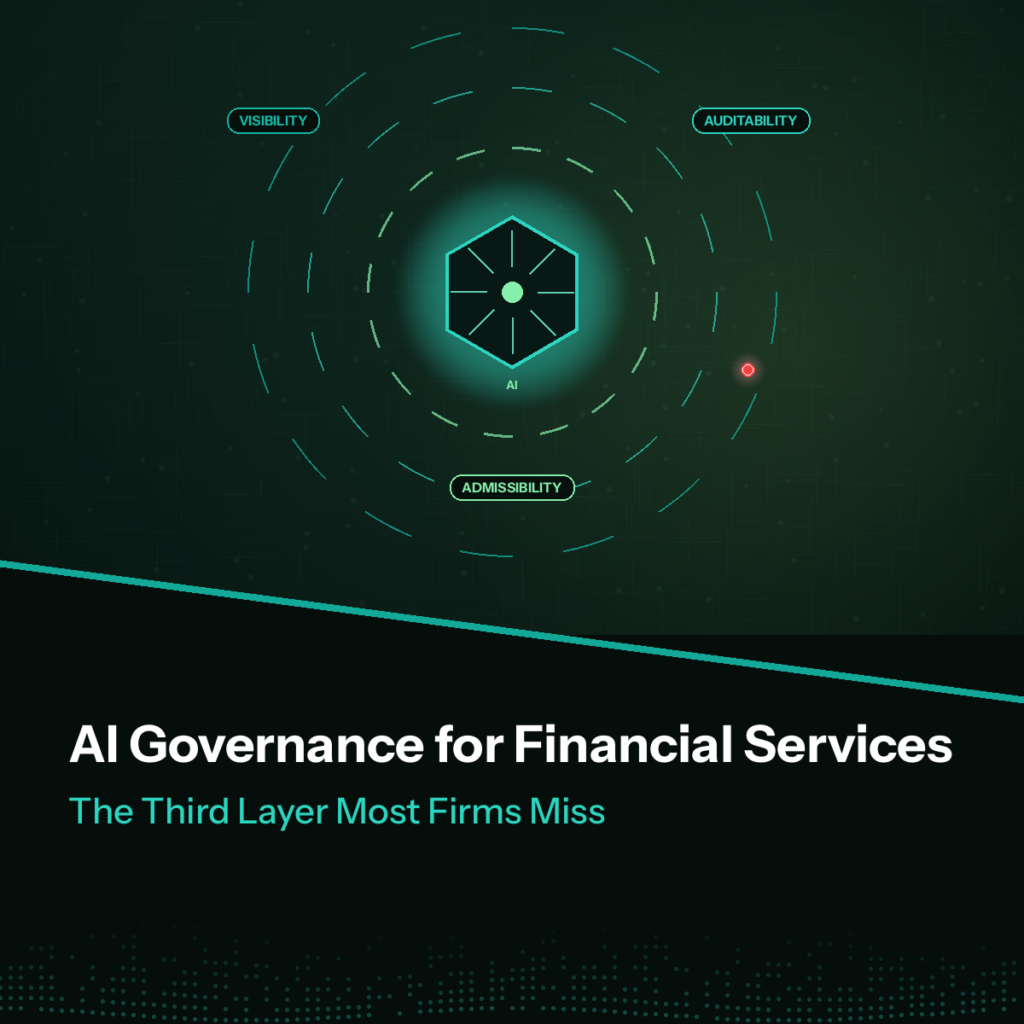
A firm recently faced an incident that shaped a critical conversation. An employee, working through an AI tool, gained access to privileged payroll data. The data was real. The access was unintended. The governance to prevent it had not been put in place before the AI tool was deployed. The instinct in moments like this […]
Vendor Risk Management in Financial Services: Why CFOs Must Rethink Third-Party Exposure
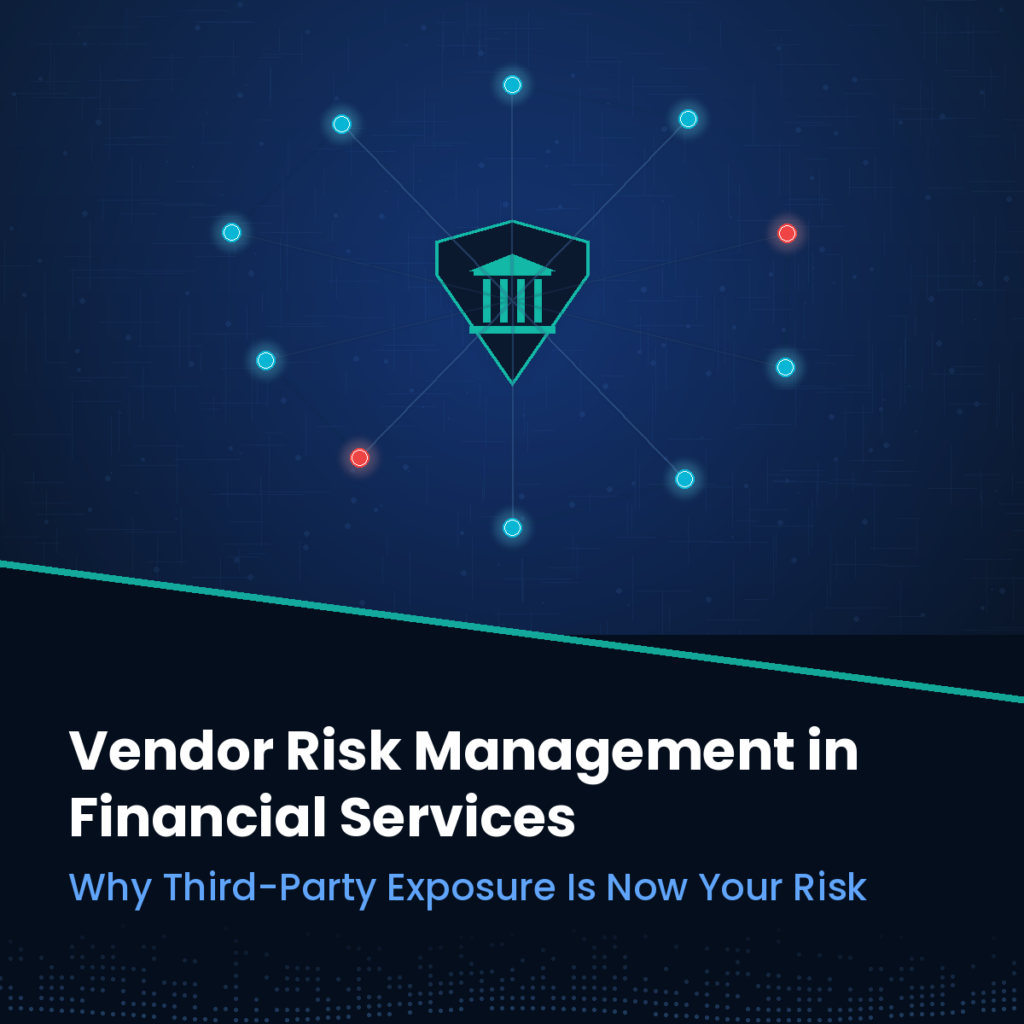
Most financial services firms understand their internal controls well. However, fewer have the same visibility into their vendors. Today, that gap is widening fast. Vendor risk management has become a core financial discipline. CFOs can no longer treat third-party exposure as a back-office concern. Every vendor relationship now carries operational, regulatory, and financial weight. The […]
What Financial Firms Still Get Wrong About Reg S-P Compliance

In 2021, SEC enforcement actions sent a clear message to financial firms: weak cybersecurity controls lead to both technology failures and compliance failures. That message has only grown louder since then. The SEC’s 2026 exam priorities make clear that examinations will assess compliance with Regulation S-P, including policies and procedures, internal controls, incident response programs, […]
Reg S-P Readiness for RIAs: What to Operationalize in 2026

The SEC’s proposed cybersecurity rule for investment advisers was withdrawn in 2025. But, Regulation S-P isn’t going away. Here’s what RIAs need to operationalize now. The SEC’s proposed cybersecurity rule for investment advisers was withdrawn in 2025 without being finalized, leaving Regulation S-P — and its 2024 amendments — as the primary framework RIAs are […]
Cybersecurity Compliance in Financial Services: Where Priorities Are Shifting
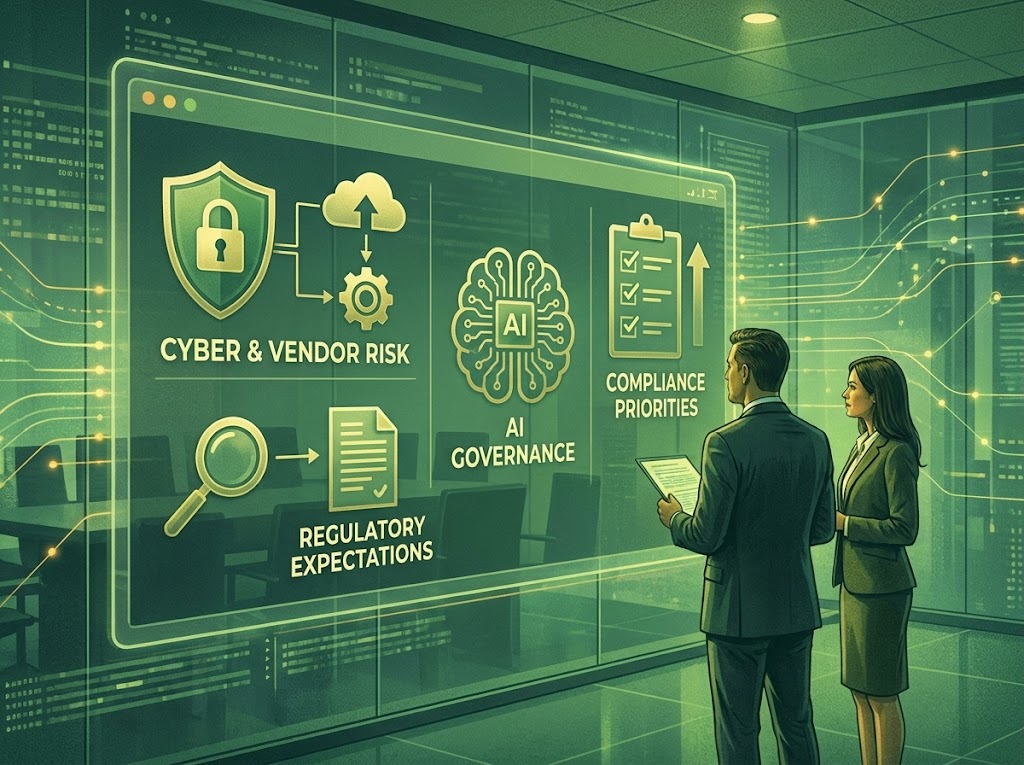
Cyber risk, vendor dependencies, AI use, and evolving supervisory expectations are changing how financial services firms approach compliance. Here’s how you should prioritize them. Why Priorities Are Shifting Financial services firms are operating in a more connected environment than they were just a few years ago. Core systems rely on vendors, employees use cloud-based platforms […]